Finding the Right Hunting Property for Sale: What to Look For
When you start searching for a hunting property for sale, it is easy to get lost in glossy photos of big bucks and lush timber. I have been there myself, scrolling through listings and imagining opening day from a new treestand. But after years of helping friends and family find rural land, I have learned that the best hunting ground is not always the one with the most deer sign. It is the piece that fits your life, your budget, and your long-term plans.
Many people assume that a prime hunting property for sale has to be a massive tract of remote forest. That can be true, but it is not the whole story. Some of the best memories I have made in the woods came from smaller parcels, under a hundred acres, that were managed with care. The key is understanding what makes land productive for game and practical for you.
Start with the Habitat, Not the Headlines
Whitetail deer and wild turkey are the two most common species people have in mind when they look for recreational land. Both species thrive where there is a mix of cover and food. A property that is nothing but mature timberland might hold some deer, but it will not hold them year-round unless there is a food source nearby. Look for land that has a combination of hardwoods, softwoods, and open areas where you could establish a food plot. Even a small plot of clover or brassicas can turn a good property into a great one.
I once walked a tract in the Missouri Ozarks that had beautiful rolling hills and a creek running through the middle. The timber was mature oak and hickory, and there was plenty of sign. But the property lacked any real edge habitat. The deer moved through it at night and bedded on neighboring farms. That land would have required years of work to become a consistent hunting spot. Another property I saw in Appalachia was only sixty acres, but it had a south-facing hillside with thick brush, a spring-fed creek, and an old overgrown field. That place held deer all season. The difference was the diversity of the habitat.
When you evaluate a hunting property for sale, walk it if you can. Look for natural funnels, pinch points, and travel corridors. If the land has been logged recently, check for regeneration. Young growth is often better for deer than a closed canopy forest. And if there is a food plot already in place, ask about the soil quality and what was planted. That can save you a season of guesswork.
Access and Infrastructure Matter More Than You Think
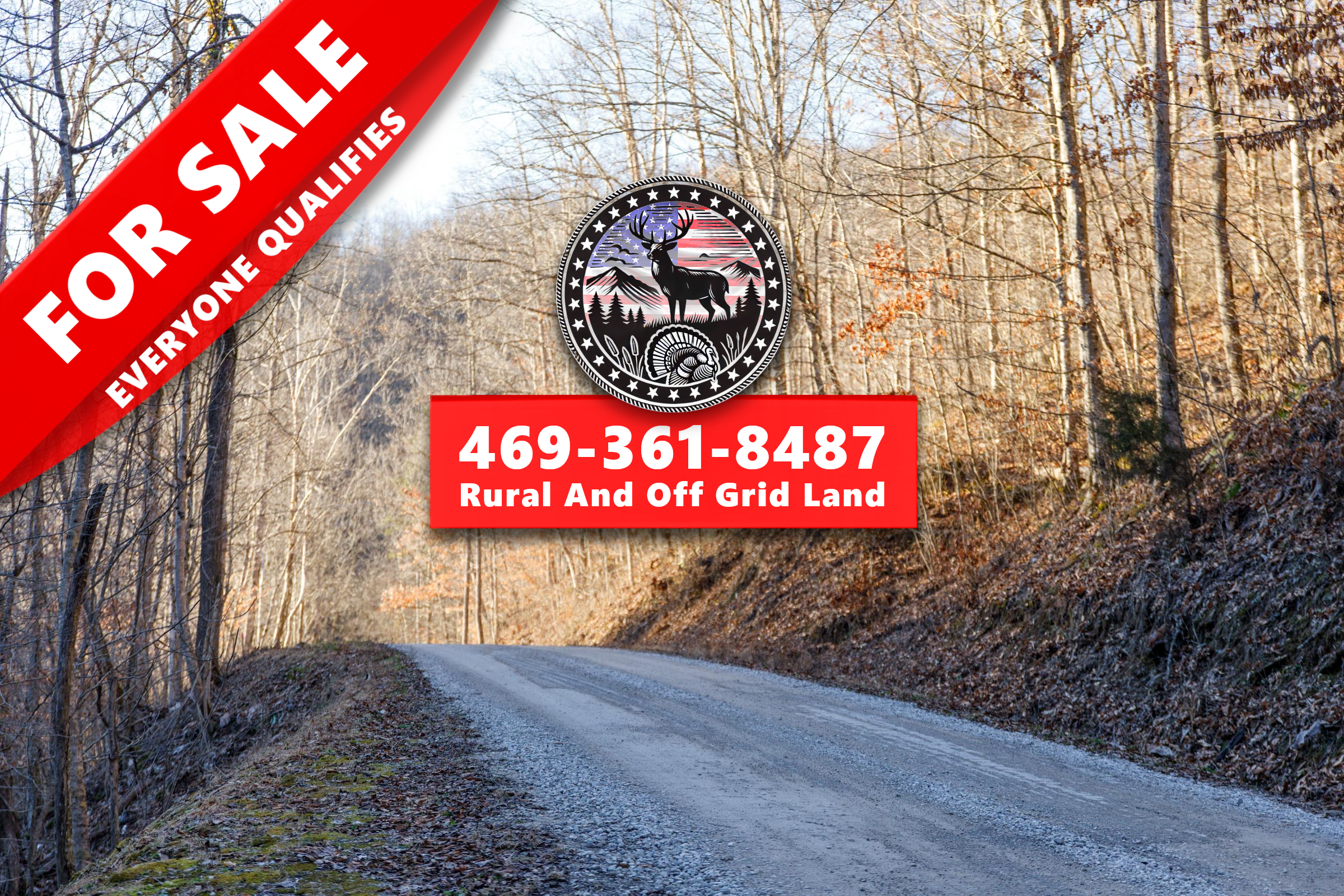
I have made the mistake of buying a remote tract that was beautiful but nearly impossible to reach in wet weather. The county road ended a mile from the property line, and the last stretch was a two-track that turned into a mud pit after a rain. That property taught me to always check the road frontage and the condition of any existing ATV trails. If you plan to haul gear, bring in a camper, or build a cabin site, you need reliable access.
Infrastructure like well water, a septic system, and electricity access can make or break a property for off-grid living or weekend trips. If you are looking at land in Appalachia or the Missouri Ozarks, many rural properties do not have utilities at the lot line. That is not a dealbreaker, but you need to budget for bringing them in. A cabin site with no electricity access might be fine for a tent camp, but if you want a permanent structure, that cost adds up fast.
I have also learned that a property with a good septic system and well water is worth a premium. Those are two things you cannot easily add after the fact without major expense. If the listing mentions a septic system and well water, that is a sign the land has been set up for living, not just hunting. That kind of property can serve double duty as a weekend retreat and a hunting base.
Owner Financing Opens Doors
One of the biggest hurdles in buying rural property is the financing. Traditional lenders often shy away from raw land, especially if there is no house on it. That is where owner financing comes in. Companies like Land and Creek offer terms that make sense for people who do not have perfect credit or a huge down payment saved up. A low down payment and no credit check can put a piece of land within reach that would otherwise stay a dream.
I have seen friends stretch their budgets to buy a property with a bank loan, only to struggle with the payments and the hidden costs of land ownership. Owner financing gives you more breathing room. You can put your money into the land itself, into a food plot, or into building a small cabin, instead of handing it all to a lender. That flexibility is especially valuable if you are buying land for legacy building, something you intend to pass down to your kids or use for decades.
Owner financing also tends to close faster. When I bought my first piece of recreational land, the bank process took nearly three months. The seller was patient, but I missed that entire hunting season. With owner financing, you can often close in a matter of weeks and be in the woods before the leaves change.
Think Beyond the Hunt
A good piece of rural property can be more than a hunting lease you visit a few times a year. It can be a place for off-grid living, a site for a family cabin, or a base for exploring the backcountry. When you look at land, think about what else you might do there. Can you ride ATV trails on the property? Is there a spot for a garden or an orchard? Could you park a camper there for the summer? The more uses a property has, the more value it holds over time.
I have a friend who bought a forty-acre tract in the Missouri Ozarks primarily for deer hunting. Over the years, he added a small cabin, drilled a well, and installed a septic system. Now he spends half the summer there, hiking, fishing the creek, and just getting away from town. That property became his legacy, something his kids and grandkids will enjoy long after he stops climbing into a treestand.
Timberland can also be an asset. If the property has mature timber, you may be able to do a selective harvest down the road and generate some income. But be careful: clear-cutting for quick cash can ruin your hunting for a decade. Work with a forester who understands wildlife management if you ever decide to cut trees.
Practical Steps Before You Buy
- Walk the property boundaries. Make sure the survey matches the listing and that there are no encroachments.
- Check the county regulations on hunting, building, and land use. Some counties have restrictions on ATV trails or cabin size.
- Test the soil if you plan to plant food plots. A simple soil test can tell you what lime and fertilizer you need.
- Talk to neighbors. They can tell you about the deer herd, trespassing issues, and how the land drains.
- Consider the water source. If there is no well water, find out how deep you would have to drill and what that costs.
Taking these steps before you close will save you headaches later. I have skipped some of them myself, and I always regretted it.
The Bottom Line
Finding the right hunting property for sale is about matching the land to your goals. If you want a weekend getaway where you can chase whitetail deer and wild turkey, look for diverse habitat and reliable access. If you dream of off-grid living or legacy building, prioritize properties with well water, a septic system, and electricity access. And do not overlook owner financing. A low down payment and no credit check can get you onto the land sooner, with more money left over for the things that matter, like a food plot, a cabin site, or a new set of ATV trails.
I have bought and sold a few pieces of rural property over the years, and the best ones were not the largest or the cheapest. They were the ones that fit how I actually wanted to use the land. That is the real measure of value. So take your time, walk the ground, and think about what you want that land to be for you and your family. If you do that, you will find a property that gives back for years to come.